

Welcome to your weekly no-BS briefing on AI search. See what changed, learn what’s working, and get new ideas to steal, all in 5 minutes. Let’s goooo 🚀
In today’s edition:
💳 How Ramp became the source everyone quotes on AI adoption
💰 $5 ChatGPT clicks, and why Google rankings don’t predict citations
🧪 A two-minute test to find the number in your category nobody owns
🥄 The baking expert America trusted, who never existed
Mention worthy
💳 Ramp made itself the source on AI adoption
Most brands pitch for press coverage and hope for a mention. Ramp publishes a number that newspapers, the Fed and other companies come back to every month.
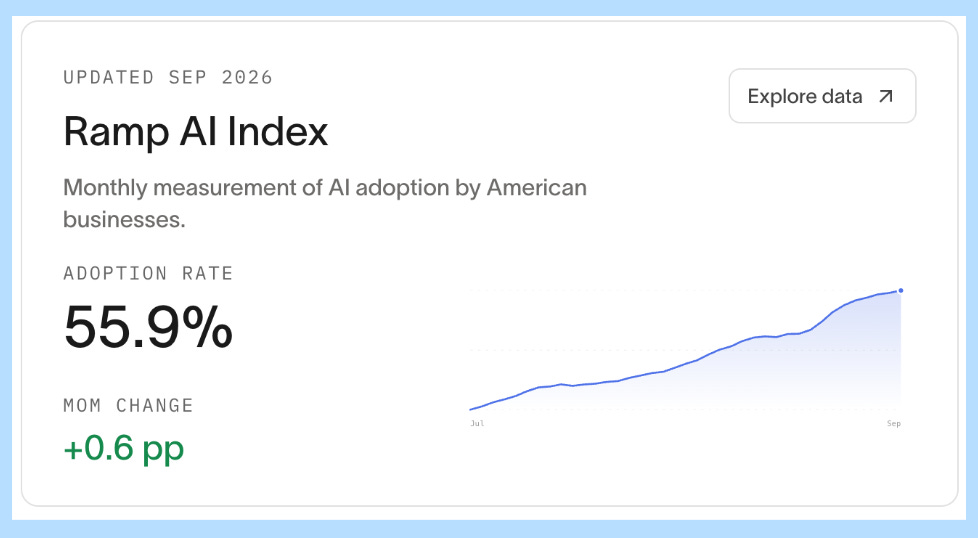
Ramp sells corporate cards and spend software. It also runs an in-house research team, Ramp Economics Lab, led by lead economist Ara Kharazian. Every month the team publishes the Ramp AI Index, which tracks how many US businesses pay for AI tools, using its own customers’ card and bill-pay data.
The St. Louis Fed now carries the index in its FRED economic database. The latest reading shows 40.6% of businesses on Ramp paying for OpenAI in September.
Why it works
👉 It answers a question people ask AI. “How many businesses use AI?” needs a number and a source. Ramp supplies both, so its name travels with the answer.
👉 Trusted outlets repeat it. Ramp says the lab has been cited by The New York Times, The Wall Street Journal, The Economist and Reuters. Every repeat is another source naming Ramp next to the number.
👉 It comes back every month. It updates every month, giving AI tools and analysts fresh data to cite. The series builds a continuous monthly record of paid AI adoption dating back to January 2023.
💡 Steal this: the monthly number
Find one number in your category that people keep asking about and nobody tracks properly. For an accounting firm, that might be how many days clients take to pay. For a recruiter, how long roles take to fill.
Pull it from your own data and publish it on the same day each month, on a page with a permanent link. Add a one-line note on how you measured it. Put your name next to the number so anyone quoting it knows who to credit.
Our partner
🎙️ Speak your answers. Wispr Flow types them for you.
Wispr Flow turns what you say into polished, ready-to-send text in any app. Talk through a customer question the way you’d answer it on a sales call. Flow removes the ums, fixes the grammar and formats it for you.
It’s about 4x faster than typing, works on Mac, Windows, iPhone and Android, and is used by teams at 270+ Fortune 500 companies.
Industry news
🗞️ AI search stories that matter this week
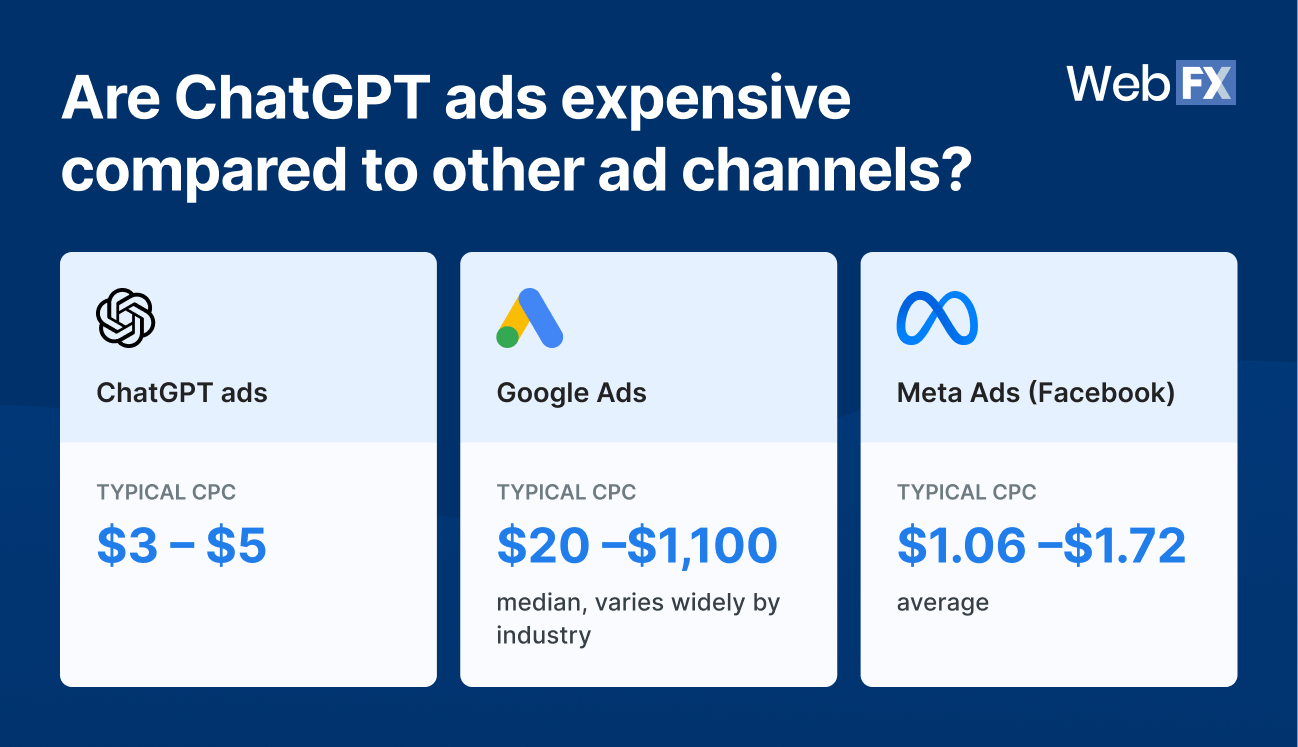
1. ChatGPT clicks cost about $5, for now. OpenAI has about 60,000 advertisers, with a ChatGPT click costing $3 to $5, far below most Google searches but above Meta. If your buyers research in ChatGPT, test now, before more advertisers push prices up.
2. Google now pays 400+ publishers to feed its AI news features. CNN, the Financial Times, Axios and Forbes have joined Google’s News AI pilot. Publishers supply content for AI article overviews and audio briefings on Google News, with links back to the source.
3. Your Google ranking won’t get you cited by ChatGPT. Researchers recorded ChatGPT’s own searches from March to July, and only 6% to 9% of the pages it cited appeared in Google’s organic results. It also rewrote every question into its own search terms. So cover the follow-up questions buyers ask, such as price, etc.
Quick hits
✍️ ChatGPT will rewrite your ads from 30 October. OpenAI is turning on “creative enhancements” by default, so ChatGPT can change your headlines, translate your copy and send clicks to a different page, without you approving each version.
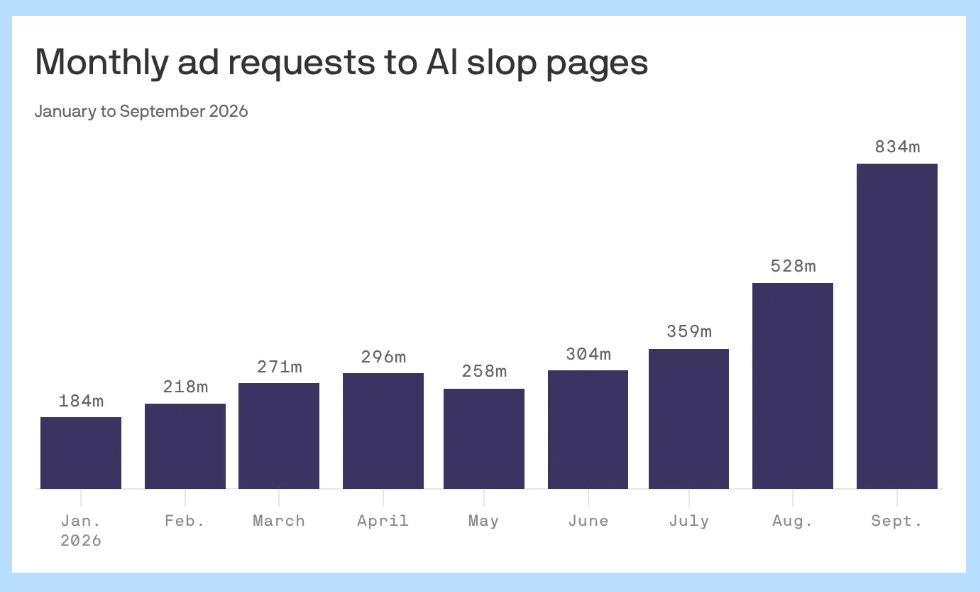
🗑️ AI slop sites grew 5x in a year. DoubleVerify tracked low-quality AI-written sites, and ad requests to them rose from 184 million in January to 834 million in September. If someone offers to mass-produce AI articles to get you cited, say no. Platforms are getting tougher on this.
Try this
🧪 The stat-source test
Open a temporary chat in ChatGPT and paste this:
What percentage of [your customer type] use [your type of product or service]? Give me the latest figure and link the source.
Then look at whose name sits next to the number. If it’s a competitor, they own that answer. If the figure is years old or has no source at all, nobody owns it yet. That’s your chance to publish the monthly number above like Ramp.
Fill it with real data. Some vendors in China tried a shortcut, and it ended up on national TV 👇
Buzzwords of the week
🗣️ AI poisoning
AI poisoning is flooding the web with fake or promotional articles so AI tools pick them up and recommend your product.
At CCTV’s consumer-rights show on 15 March, an industry insider invented a smart wristband that didn’t exist. Software wrote about two dozen articles praising it, and at least two AI models then listed it among their top picks. In September, China’s advertising industry responded with a voluntary GEO standard that bans fake content and forged sources, as Marcus Pentzek explains.
💡 My take: this is the tactic Anthropic banned on Claude last week. If a vendor promises “guaranteed” AI placement, ask exactly how they’ll get it.
Steal this playbook
📘 Kevin Indig: how to plan 2027 when AI won’t attribute
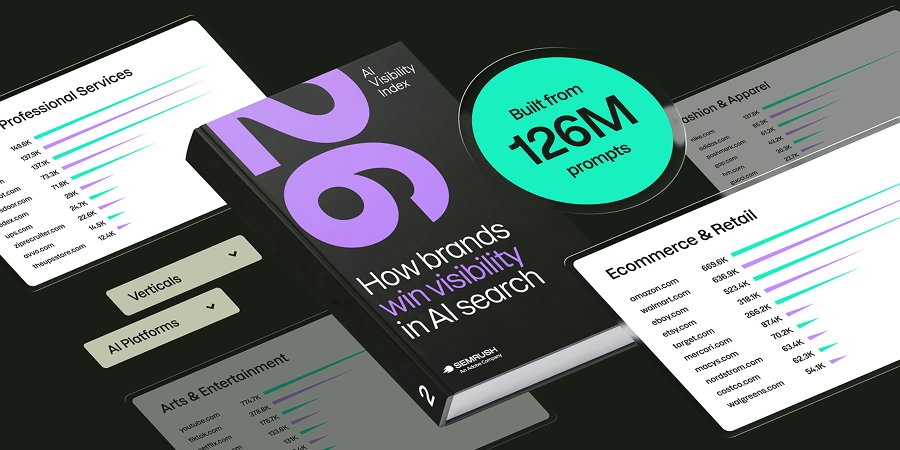
Kevin Indig and Amanda Johnson wrote How to plan 2027 when traffic is down and AI won’t attribute for Search Engine Land. Their starting point: 68% of US Google searches now end without a click, per SparkToro and Similarweb.
Three bits worth stealing:
👉 Budget for skills, and leave last year’s traffic out of it. Their example split is 40% digital PR, 30% technical SEO, 20% content and 10% research.
👉 Read three numbers together. Each month, report one exposure number (like AI mentions), one behaviour signal (like branded searches) and one business result. When one rises and another doesn’t, that tells you where to look.
👉 Give every experiment a kill date. Split work into proven (fully funded), experiments/learning (capped, with one owner and an end date/kill criteria) and bets you can’t measure (funded on judgment).
And the one to remember: Ramp’s George Bonaci says relying on attribution alone “would have led us to cancel all the brand marketing we do, all our stunts, all our direct mail, all our events.”
Before the bots
🥄 How Betty Crocker became America’s baking expert
In 1921, the company behind Gold Medal Flour ran a puzzle in a popular magazine. Around 30,000 people sent it back, and many added a baking question.
The company decided to answer every one. To make the replies feel personal, it invented a woman to sign them: Betty Crocker. Every letter went out with the same signature.
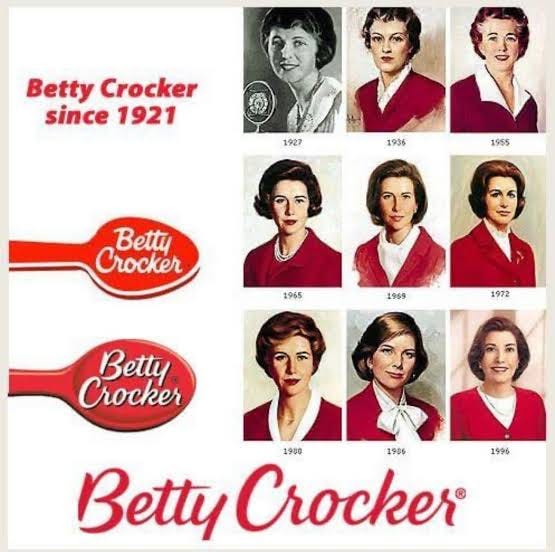
💡 The lesson for 2026: the flour company became the trusted voice on baking by answering the questions people actually asked, under one name, every time.
AI tools build answers from what they see again and again. A name that keeps turning up next to clear answers is the one they repeat.
👉 Your move: collect this month’s questions from sales calls, support tickets and DMs. Answer the top five on one page under one expert’s name, and use that same name everywhere you publish.
See you next week 🚀
Sam
Your feedback helps me create better briefings for you!
P.S. This week covered all three pillars of The Mention Method: Ramp’s index (your own content), the outlets that repeat it (other people’s platforms) and ChatGPT ads (paid). Want to know which pillar your brand is weakest in? Reply “Method” and I’ll walk you through it.
P.P.S. Worth a quick read: Learn how founders use LinkedIn to boost AI search visibility in 2026.