

Welcome to your weekly no-BS briefing on AI search. See what changed, learn what’s working, and get new ideas to steal, all in 5 minutes. Let’s goooo 🚀
In today’s edition:
🏎️ How an F1 league table launched an AI start-up
📊 ChatGPT shows mention counts, and AI shoppers double
🧪 A two-minute test of what ChatGPT thinks you do
🍪 How a cracker in a box beat the barrel
Mention worthy
🏎️ A new start-up launched by ranking F1 teams in AI
Most software start-ups launch with a press release about themselves. Prompted Brand launched with a league table about Formula 1.
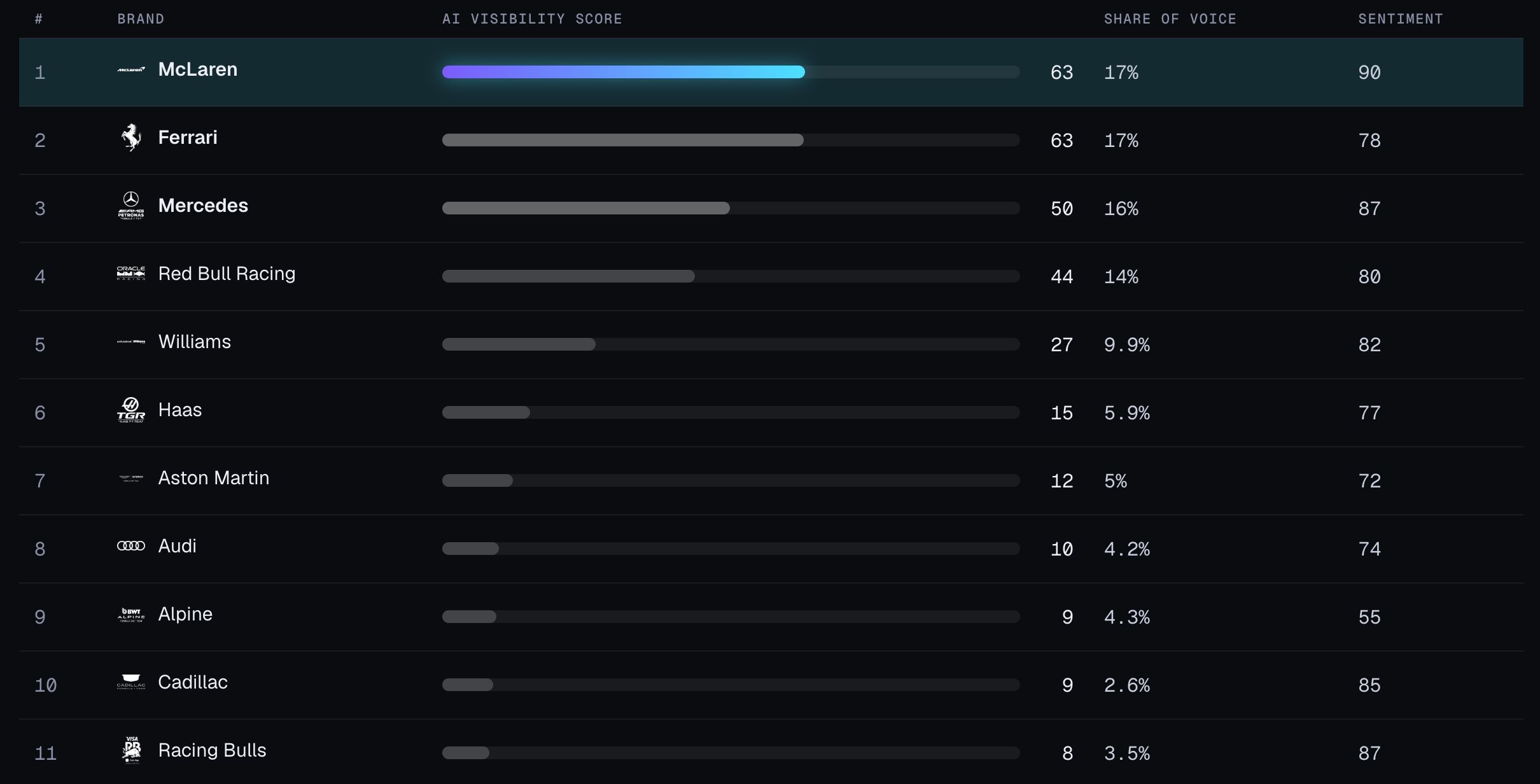
Prompted Brand, a new US platform that tracks how AI engines describe brands, put 30 questions F1 fans ask to seven engines, including ChatGPT, Gemini and Claude. Its Formula 1 AI Visibility Index scored 207 answers on how often each team came up, and how near the top. The company made the index the centrepiece of its launch.
McLaren scored 62.8. Ferrari scored 62.5.
Why it works
👉 A close race writes its own headline. The report’s title is the result, and it ships with shareable images and a media kit, so journalists can run the story.
👉 The method is out in the open. The methodology page sets out the scoring formula and how to credit the data. It also says to treat gaps under 2 points as a tie, so by its own rules the headline result is a draw.
👉 It proves engines disagree. Perplexity, Gemini, Claude and DeepSeek put Ferrari first, while ChatGPT, AI Overviews and Meta AI picked McLaren. A check in one engine only tells you about that engine.
💡 Steal this: the category league table
Pick the 10 best-known names in your niche and write 20 questions your buyers ask, such as "Which payroll software is best for restaurants?" for a software company, or "Which Leeds accountants specialise in construction firms?" for an accounting firm.
Run each in ChatGPT, Gemini and Perplexity, and score who’s named and who comes first. Publish the ranking with your method and questions, then pitch it to your trade press. You end up owning the page journalists quote about your category.
Our partner
🎙️ Talk through your pitch. Wispr Flow types it up.
Wispr Flow turns what you say into polished text in any app. Talk through your league table pitch the way you'd explain it on a call, and Flow writes it up ready to send.
It now runs on Canto, a speech model Wispr trained itself. In Wispr's test on 10 hours of user dictations, Canto had the lowest word error rate of every model tested, including Google's and OpenAI's.
Flow is about 4x faster than typing and works on Mac, Windows, iPhone and Android.
Industry news
🗞️ AI search stories that matter this week
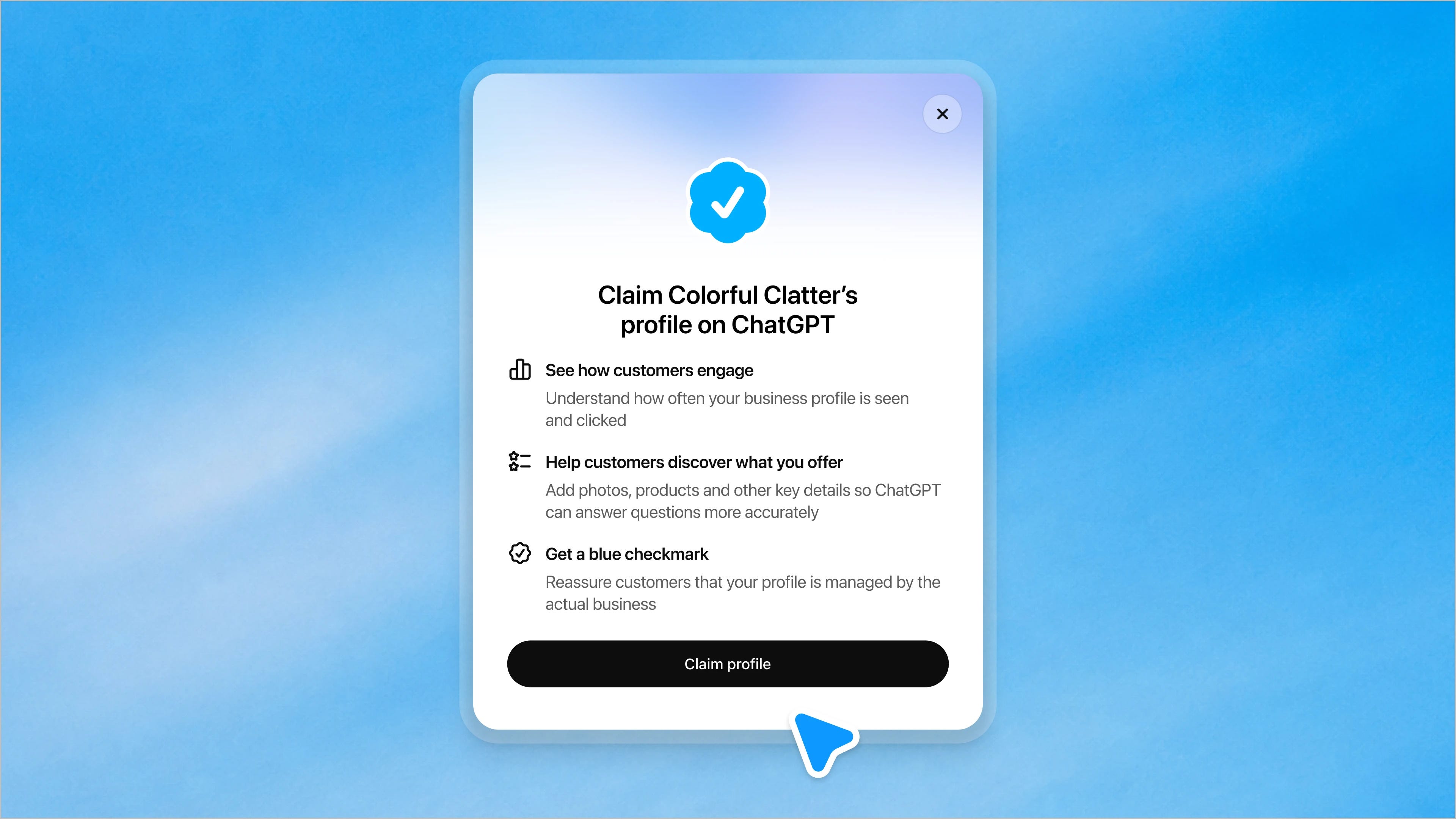
1. ChatGPT now shows businesses how often it names them. OpenAI opened Businesses in ChatGPT in beta on 10 November. Verify your profile in Business Hub and you see mentions, website clicks and "discovery topics" over 7 or 28 days. One of the first live dashboards showed 690 mentions and 24 clicks in 28 days, PPC Land reports. Claim yours this week and save the numbers as your baseline.
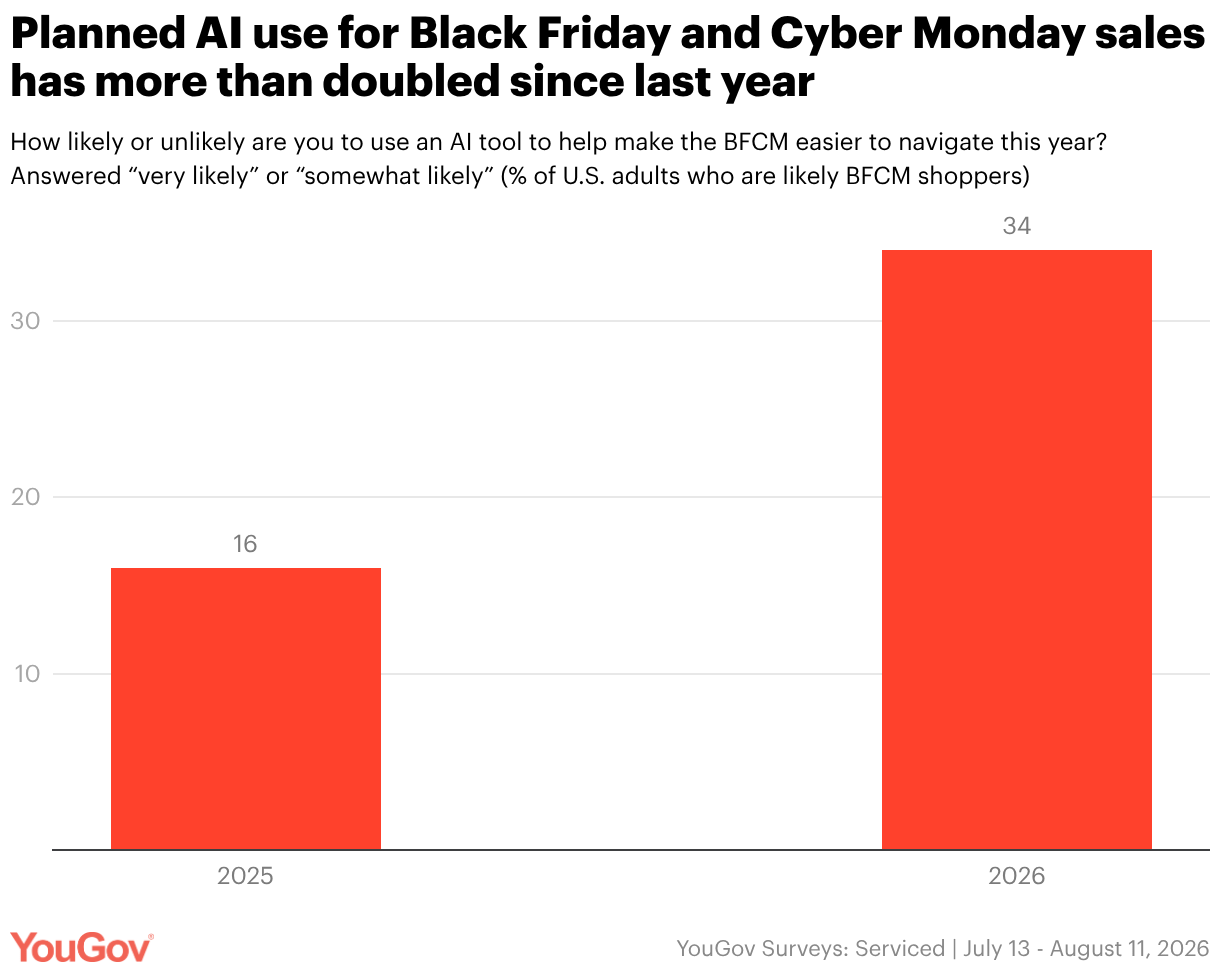
2. A third of US Black Friday shoppers plan to ask AI. In a YouGov survey of 1,495 US adults, 34% of likely Black Friday and Cyber Monday shoppers expect to use an AI tool, up from 16% last year. ChatGPT and Gemini tie as their top picks. Check how Gemini and ChatGPT describe your offer.
3. ChatGPT Ads now bid towards a target cost. From 9 November, new conversion campaigns use Target CPA and new click campaigns use Target CPC, OpenAI told advertisers. The system can bid above or below your target in each auction. First, check your Pixel or Conversions API sends the right event, because OpenAI warns weak signals can leave budget unspent.
Quick hits
✈️ United bans AI agents from booking its flights. Its updated contract stops agents from buying or changing tickets, even when a person approves each step, PPC Land reports. Agents can still show fares, but customers have to finish the purchase themselves. Check how your checkout works for shoppers an AI sends your way.
🧠 Anthropic launches Claude Fable 5.2. It scores 82.1% on Perplexity's WANDR test of large data-collection tasks, up from 72.3% for Opus 5.5, Anthropic says. AI agents keep getting better at researching across many pages, so keep your prices, specs and ideal customers on public pages.
Try this
🧪 The "what am I known for?" test
Before you claim your ChatGPT profile, check what ChatGPT thinks you do. Open a temporary chat and paste this:
What is [your company] ([your website]) best known for? List the topics and types of customers you’d recommend it for, and link your sources.
Look for two things. Do the topics match what you sell today? And are the links your own pages or someone else’s?
OpenAI’s new dashboard shows some of these topics too. SEOs already have a nickname for it 👇
Buzzwords of the week
🗣️ ChatGPT Search Console
ChatGPT Search Console is the nickname for OpenAI’s new Business Hub, which shows how often ChatGPT mentions your business and how many people click through.
The idea is older than the product. In July 2025, Glenn Gabe made the case for an “AI Search Console” with 12 features, starting with the prompts a site shows up for. On launch day, Kevin Indig called Business Hub “a sort of Search Console for ChatGPT”.
💡 My take: The name oversells it. Business Hub hides the prompts behind each mention and offers no view of competitors. Keep your own prompt checks, and use OpenAI's counts to confirm they point the right way.
Steal this playbook
📘 Adthena: where AI ads land this holiday season
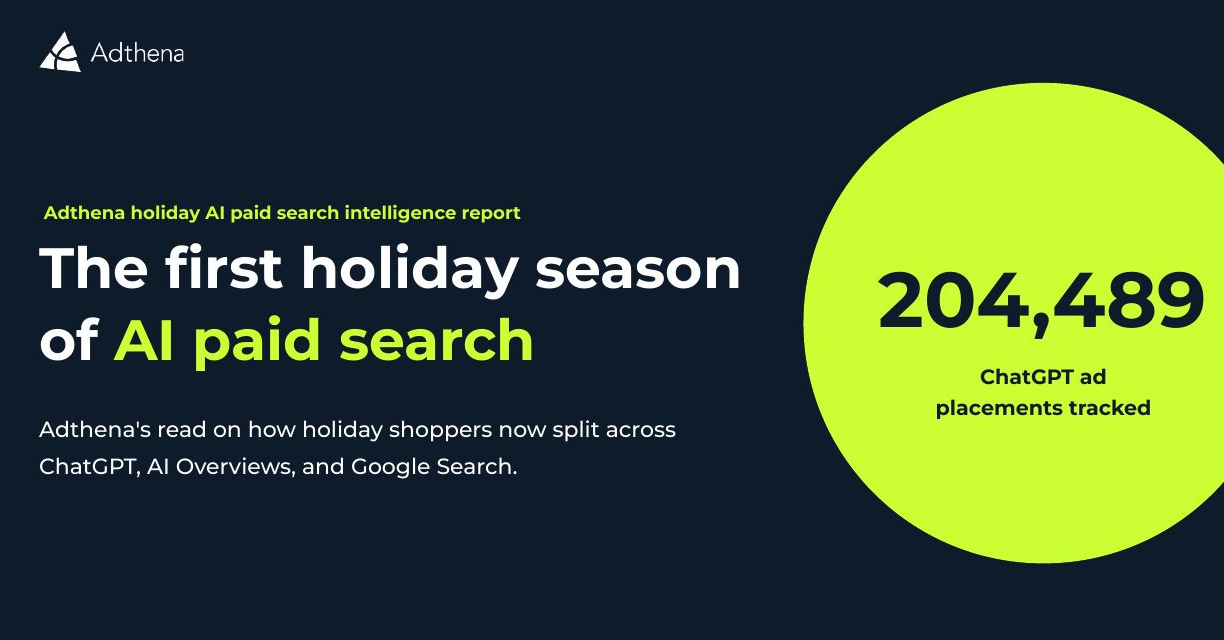
Adthena, which sells ad tracking for Google and ChatGPT, published The Holiday AI Paid Search Report 2026 in early November. It tracked 204,489 ChatGPT ad placements across five shopping categories from June to September.
Three bits worth stealing:
👉 Answer the “what’s best?” questions. Most ChatGPT ads in beauty (83%), travel (69%) and toys (67%) ran on prompts where people compare options or ask what’s best. Make sure your own pages answer those questions.
👉 Plan for Google’s AI box. US AI Overview appearances rose 89% in a year, from 304M to 575M. It also counted about 175,100 US ads inside AI Overviews and AI Mode, mostly apparel and electronics.
👉 Watch your category’s ad count. Toys and games advertisers grew 13x from June to August, the fastest of the five. A jump like that means your category’s research questions are getting crowded.
And the one to remember: ChatGPT advertisers in these five categories went from 1,082 in June to 6,333 in August. The paid slots on research questions are filling fast, so earn your unpaid mentions now.
Before the bots
🍪 How Uneeda Biscuit became the cracker you could trust
In the 1890s, crackers were sold loose from barrels, which did little to stop them going soggy. The company that became Nabisco put its soda cracker in small boxes lined with patented “In-er-Seal” waxed paper. Its ad agency named it Uneeda Biscuit and drew a boy in a raincoat to show the box kept the damp out.
By 1900, sales passed 100 million packages. Imitators such as “Iwanta” followed, and by 1906 the company had won 249 infringement cases.
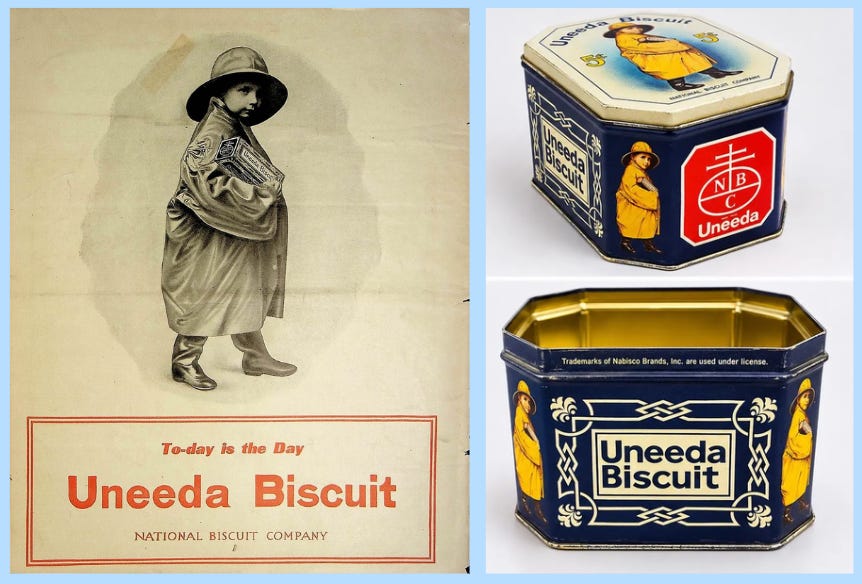
💡 The lesson for 2026: Uneeda made freshness something shoppers could check for themselves, then defended that signal.
An AI answer has no red seal to look for. It pieces you together from your site and other people's, so a claim backed up in several places is easier for it to repeat.
👉 Your move: choose one thing you want AI to say about you, such as “fixes payroll errors the same day”. Prove it on your own site with numbers and dates. Then make sure another site backs it up, such as a customer review.
See you next week 🚀
Sam
Your feedback helps me create better briefings for you!
P.S. Prompted Brand's index covers two pillars of The Mention Method: research on your own site, and the press coverage it earns. What would your category's league table show? Reply "Method" and I'll walk you through it.
P.P.S. Worth a quick read: Learn how founders use LinkedIn to boost AI search visibility in 2026.