


I get a version of this message most weeks:
“Aren’t you worried people will just copy you?”
Usually right after I’ve shared a template, a pricing breakdown, or the blueprint I follow when I am looking for new clients.
Usually right after I've shared a system from 6,700+ projects, the pricing that got me to the top 0.04% on platforms like Fiverr, or the blueprint I’ve used to work with clients in 100+ countries.
Fair question. I used to worry about it too.
Then I discovered a bartender from 1862 who settled it for me.
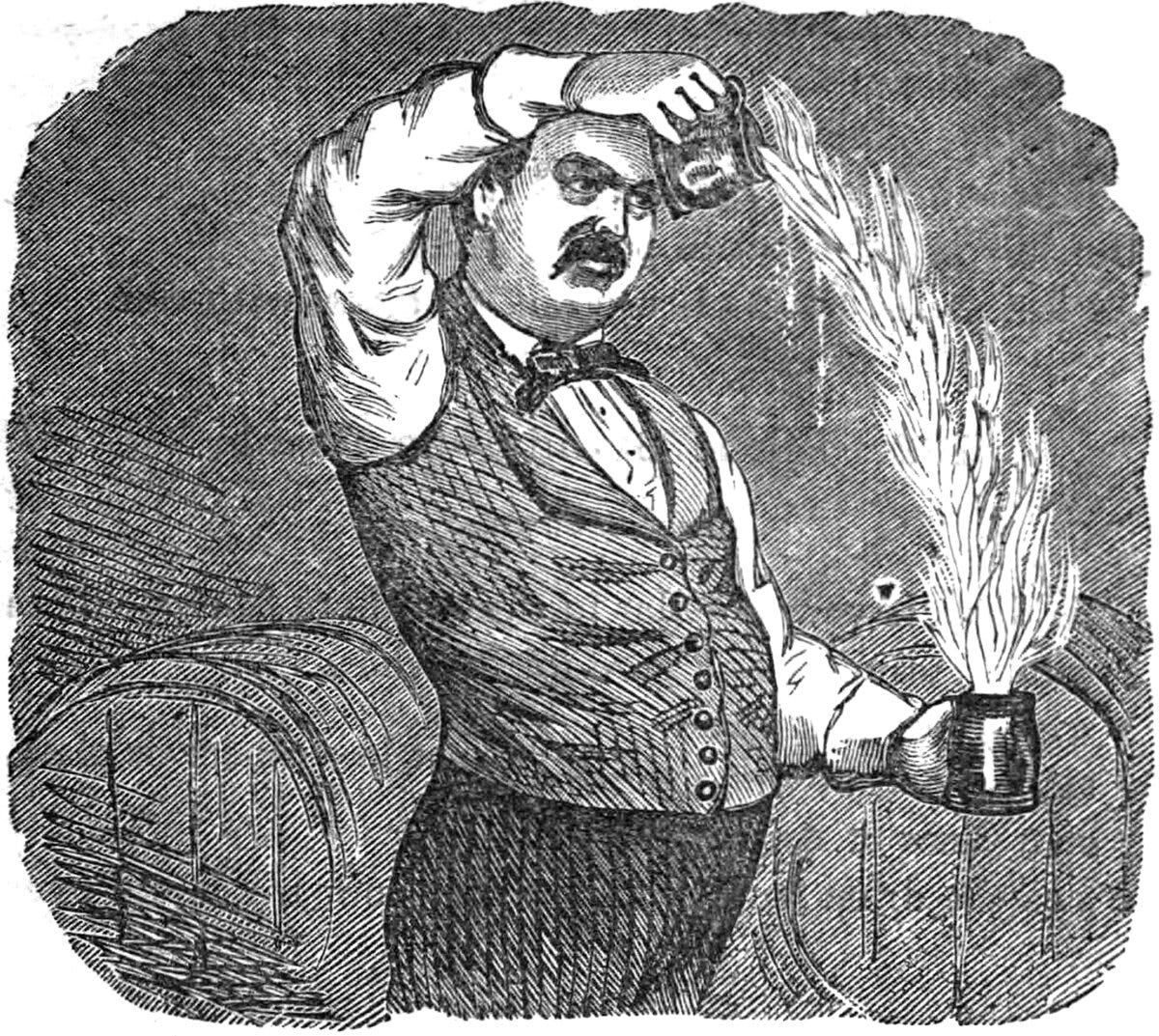
His name was Jerry Thomas. At the peak of his career in New York, he did something nobody in his trade had ever done.
He wrote his recipes down. All of them.
Every other bartender in America kept recipes in their head. The recipes provided job security. Jerry sold his for $2.50.
It’s the same call you’re making every time you decide whether to share your process, pricing, systems, or templates. Jerry got it right. Here’s how to copy it.
📖 The recipes went public. The bar got busier.
Before 1862, if you wanted to learn how to make a proper cocktail, you found a bartender who knew one and you watched him make it. Nothing was written down. Recipes got passed along like a family secret.
Jerry’s book, The Bar-Tender’s Guide, was the first time anyone in America had put cocktail recipes in print.
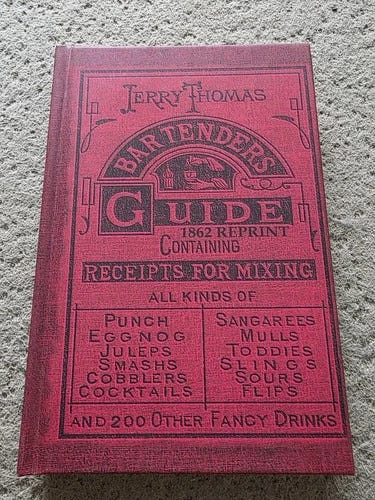
Now think about what he was risking.
Anyone with $2.50 could read how the most famous bartender in America made his drinks. Including the person across the street who wanted his job.
You'd expect that to end badly for him.
But four years later, Jerry opened his own bar on Broadway. It became the most famous saloon in New York. Why?
Because a recipe can’t pour the drink for you.
And it can’t make you feel like you got the best seat in the house.
The book didn’t replace Jerry. It was an advert, sitting on the shelf of every bar that owned a copy.
A new edition came out in 1887, two years after he died, with his name still on the front. You can even order a reprint on Amazon today (164 years later!)
This shows NOBODY is just paying you for your process.
They’re paying YOU to run that process inside THEIR business. Publishing the process doesn’t give that away. It proves you’ve got one.
I did this in October.
I published the 5 unconventional things I did to hit $589K on platforms like Fiverr.

Some said I was handing over the keys, but nobody copied me out of business, and I generated new business.
Copy this:
If you’re a designer 👉 post a before and after with the two changes you made and why. It’s the only way someone can see the thinking they’re paying for.
If you’re a coach 👉 post the first email you send a new client. Anyone nervous about booking gets to see exactly what happens next.
These quick growth ideas cost you nothing and still work in six months.
🔥 Jerry turned a hot toddy into a magic trick
The Blue Blazer is whiskey and boiling water with a spoon of sugar.
That’s a hot toddy. It’s what many grandparents have given us to treat a cold.
Jerry set it on fire and poured it, still burning, in a long blue arc between two silver mugs. Back and forth. That was the closest thing to magic most had ever seen in the 1800’s.
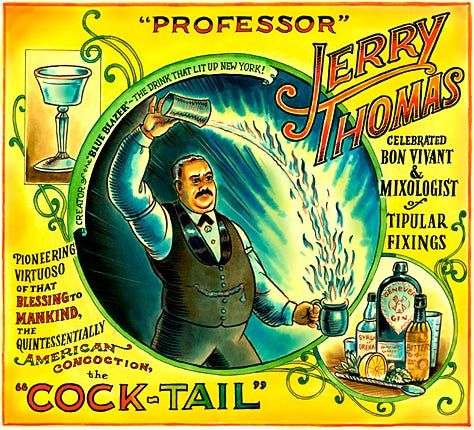
What you sell is a hot toddy. Copywriting, lead generation, coaching services. The client can get the ingredients anywhere from a thousand people at a thousand prices.
But what they remember is the moment it ARRIVED.
So stop attaching a file and typing “let me know your thoughts.”
Record a 2-minute Loom.
Walk them through the work and the decisions you made on purpose.
Say why you cut the thing they asked for. Put “here’s what I’d test first” at the bottom of the delivery email.
The work is the same either way. What changes is how it feels to receive it.
Jerry knew that. He had the same whiskey as the bar across the street. People paid more because of how he delivered it.
💸 Then he bet the bar on something he didn't understand
Jerry poured cocktails. He wrote a book about pouring cocktails. He toured Europe pouring cocktails. Then he opened his bar on Broadway and poured cocktails there.
That’s how he made money. Every dollar came from the same place.
BUT… then he started playing Wall Street.
He lost. Badly enough that he sold the bar and auctioned off his art collection to cover it. He opened another bar, and it was never the same.
I watch this happen to solopreneurs who are doing WELL.
You get good at one thing. It pays. And the second it pays, the money starts whispering about something completely different.
A course.
An agency.
Investing in crypto.
Meanwhile, the easiest money you'll ever make is sitting in the work you're already delivering.
Let’s say you write email sequences.
Those emails have to send people somewhere, and you already know the offer and the voice. So why not sell them the landing page too?
💡 Your Friday takeaway
Jerry Thomas was one man with a bar, in a trade where everyone had the same ingredients.
He won by putting the secrets in print, by turning an ordinary drink into a performance, and he lost by walking away from the thing he was best at.
📖 Publish your process. The recipe isn’t the product. You are.
🔥 The delivery is part of the job. Show them the thinking, not just the file.
💸 Protect the craft that pays. That’s the bar. Don’t bet it.
TL;DR: Jerry Thomas (1830–1885) wrote the first cocktail book published in America and gave away every recipe. It made him the most famous bartender alive, not the most copied. He set a hot toddy on fire and called it the Blue Blazer, got paid $100 a week in 1860 just to be seen behind a bar, then lost the lot on Wall Street. Share the process. Sell the moment. And don't bet the bar.
See you next week 🚀
Sam
—If you enjoyed this issue, please tap the Like button below 💙 Thank you!